
Best Time to Visit North East
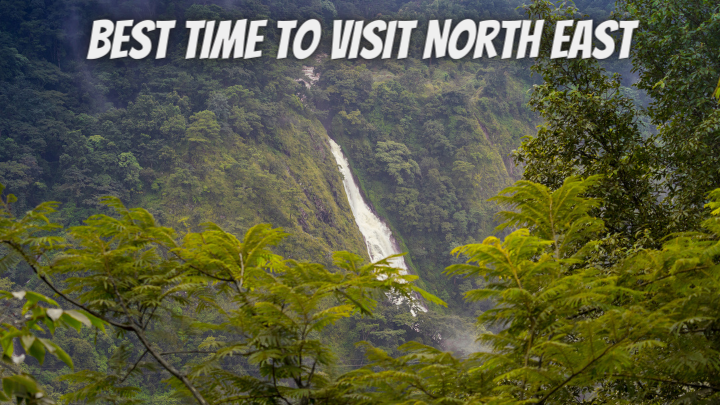
Best Time to Visit North East | The Magic of Timing Best Time to Visit North East India: North East India, often called the “Land of Seven Sisters,” is a stunning region with amazing natural beauty, diverse cultures, and rich traditions. It’s like a hidden gem waiting for travelers to discover it. To have the best experience in Northeast India, it’s important to visit at the right time of the year. The region has different seasons, and each one offers something unique. In this guide, we’ll talk about the best time to visit North East India. This way, you can plan your trip to see the beautiful landscapes and enjoy the vibrant festivals. Whether you love hiking, nature, or learning about different cultures, Northeast India has something for everyone. So, let’s explore the best time to visit North East India and discover its hidden treasures together. Best Time to Visit North East India India’s North East is a land of unparalleled natural beauty, diverse cultures, and a rich tapestry of traditions waiting to be discovered. Nestled amidst the eastern Himalayas, this region comprises eight stunning states: Arunachal Pradesh, Assam, Manipur, Meghalaya, Mizoram, Nagaland, Sikkim, and Tripura. Each state offers unique experiences and breathtaking landscapes. But when is the best time to embark on this mesmerizing journey? Let’s explore the seasons and find the ideal time to visit North East India. Spring is a delightful season to explore North East India. The entire region comes to life as the winter chill recedes and the landscape bursts into a riot of colors. The weather is pleasantly cool, making it perfect for outdoor adventures and sightseeing. Rhododendrons and other wildflowers bloom, creating picturesque landscapes. Must-Visit Places: Shillong in Meghalaya is at its best during the spring. The cherry blossom festival in Shillong is a sight to behold. Explore the tea gardens in Assam, visit Kaziranga National Park, or trek through the lush hills of Sikkim. Cultural Experiences: Spring is a festive time in North East India. You can witness Bihu in Assam, which is celebrated with dance, music, and feasts. In Manipur, don’t miss the Lai Haraoba festival, a celebration of Meitei mythology and culture. The monsoon season in North East India brings heavy rainfall, which can sometimes lead to landslides and roadblocks. However, if you’re an adventure enthusiast and don’t mind a little rain, this season can be magical. The lush greenery is at its peak during the monsoons. Must-Visit Places: Head to Cherrapunji in Meghalaya, known as one of the wettest places on Earth. Explore the living root bridges and enjoy the cascading waterfalls. Mawsynram, another nearby village, competes for the title of the wettest place. Cultural Experiences: Some regions celebrate local festivals during the monsoon. In Nagaland, the Hornbill Festival takes place in December, but preparations start during this season. As the monsoon bids farewell, Northeast India enters its autumn season. The skies clear up, and the weather becomes pleasantly cool. This is an excellent time for trekking and exploring the natural beauty of the region. Must-Visit Places: Head to Tawang in Arunachal Pradesh, known for its stunning monasteries and serene landscapes. Visit Kaziranga National Park in Assam, home to the one-horned rhinoceros, as it reopens for tourists in October. Cultural Experiences: Attend the Durga Puja celebrations in Assam and West Bengal, where the region comes alive with vibrant processions and artistic displays. Winter is arguably the best time to visit Northeast India if you prefer cooler weather. The skies are clear, making it an excellent time for sightseeing and outdoor activities. This season offers a unique charm to the region. Must-Visit Places: Explore the scenic beauty of Gangtok in Sikkim or take a road trip to the mesmerizing Ziro Valley in Arunachal Pradesh. Don’t forget to visit Majuli, the world’s largest river island, in Assam. Cultural Experiences: Immerse yourself in the traditions of the region during the Losar Festival in Sikkim and the Magh Bihu Festival in Assam. The best time to visit North East India depends on your preferences and the experiences you seek. Whether it’s the vibrant festivals, the lush greenery of the monsoons, or the clear skies of winter, this region has something to offer year-round. Each season brings its own unique charm to this enchanting part of India, making it a must-visit destination for every traveler. So, pack your bags and get ready to explore the diverse and captivating North East India. Read This Also: Top 10 Beautiful Cities in India Top 5 Places To Visit in Northeast India 1. Yuksom and Pelling, Sikkim Yuksom is a tranquil village that once served as the capital of the state. It is also famous as the “Meeting Place of the Three Lamas” and serves as the starting point for thrilling treks to the majestic Kanchenjunga. The village is home to the oldest monastery in Sikkim, adding to its cultural significance. Pelling, on the other hand, is located at an altitude of 7,200 feet above sea level and is a town blessed with waterfalls, lush greenery, captivating views, and adventure sports. The town has gained popularity among tourists for its exciting activities like kayaking, mountain biking, rafting, and more. Things to do in Yuksom and Pelling: Sightseeing, nature walks, adventure activities. Ideal for: Adventure enthusiasts, families, and friends. Ideal trip duration: 2-3 days. Weather: 22℃. The best time to visit Yuksom: March-June. The best time to visit Pelling: May-July. The nearest airport: Bagdogra Airport. 2. Ukhrul and Bishnupur, Manipur Manipur, often called the “Switzerland of India,” is the second state and the first of the North-Eastern sisters on our list. Manipur boasts several breathtaking locales that are a treat for the eyes. Ukhrul, a picturesque destination in the state, offers green valleys and waterfalls with cascading streams, making it a must-visit for nature lovers. Bishnupur, on the other hand, is considered a holy land due to its abundance of temples. The city’s natural beauty, combined with its rich architecture and places of worship, makes it a tourist