
Flora of Telangana
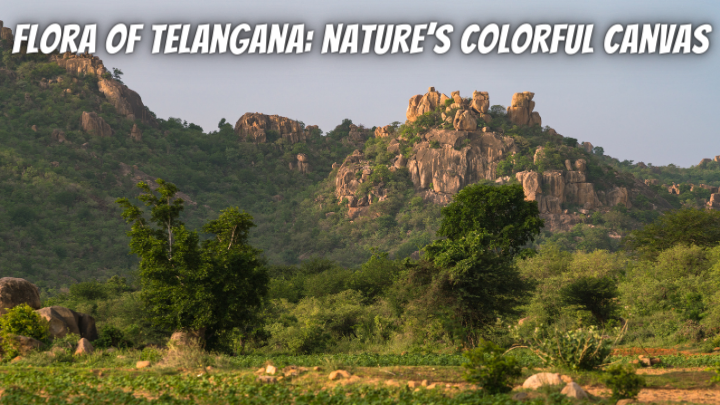
Flora of Telangana: Nature’s Colorful Canvas Flora of Telangana: Telangana, a state situated in southern India, is a land known for its captivating natural beauty. Amidst its rich cultural tapestry and historical charm, the Flora of Telangana stands as a hidden jewel waiting to be explored. In this article, we invite you to join us on a journey through the lush landscapes and botanical wonders that make up the Flora of Telangana. Here, we’ll unravel the vibrant plant life that graces this region, celebrating its diversity and significance. Join us as we delve into the colorful world of Telangana’s flora, a vital part of its identity and a source of inspiration for nature enthusiasts and curious minds alike. Exploring the Flora of Telangana Telangana, a place with varied landscapes and a rich culture, also boasts an incredible range of plant life that adds vibrant colors to its scenery and keeps its natural balance intact. From forests that lose their leaves in dry seasons to plants along riverbanks and unique healing herbs, Telangana’s plant world is a real treasure. In this blog post, we’ll take a journey through Telangana’s colorful plant life and discover its beauty and importance. The heart of Telangana’s plant life lies in its leafy forests, where trees shed their leaves in dry seasons. Trees like teak, sal, tendu, and bamboo are common here. These forests are not just home to various animals but also provide for local communities. As rivers flow across the state, they create fertile ground along their banks. Here, you’ll find a variety of plants, including babul, neem, and different types of grasses. These green riverbanks not only make Telangana more beautiful but also help the environment. Telangana has a long history of using plants for health. Aloe vera, tulsi (holy basil), and neem are among the plants that have healing properties. These natural remedies have been part of traditional medicine for a long time and are still used in modern healthcare. The state is full of flowering plants that make it more colorful. Flowers like bougainvillea, hibiscus, and marigold are commonly seen in gardens and on the streets. In the countryside, wildflowers paint picturesque scenes. In the semi-arid regions of Telangana, you’ll find sturdy trees like acacia and Prosopis. These trees have adapted to thrive in dry conditions, adding to the state’s unique plant life. Telangana’s teak plantations are an example of its commitment to sustainable forestry. Teak is known for its high-quality wood, and these plantations are grown for both business and ecological reasons. Near the coast, especially around the Krishna and Godavari deltas, mangrove forests flourish. These special ecosystems provide homes for sea creatures and protect the coast from erosion. To protect its plant and animal life, Telangana has created special reserves and protected areas. Kawal Wildlife Sanctuary is one of them, keeping the region’s diverse plant and animal species safe. The state encourages farming, including extensive fruit orchards with mangoes, guavas, and pomegranates. These orchards support local agriculture and add more greenery to the state. Telangana is working hard to conserve its unique plant life. They’re planting more trees and keeping endangered plants safe. Telangana’s plant life isn’t just pretty to look at—it’s an important part of its culture and nature. As the state grows, it’s crucial to take care of this beautiful plant diversity. Telangana’s plants show its commitment to nature and people living together harmoniously in this exciting Indian state. Read This Also: Famous Tourist Places in India State Wise Top 20 Most Common Plants in India, Telangana In the region of India, Telangana, you can find Chinese hibiscus, golden pothos, grain sorghum, oleander, pepper, and much more! There are twenty varieties of plants. Be sure to keep an eye out for the common species when walking along the streets, in parks, or public gardens. 1. Chinese Hibiscus The Chinese hibiscus is a tiny flowering tree. The fragrant flowers of this tree are recognized throughout the world and have led to many cultivar variations. The Chinese hibiscus is considered the national floral symbol of Malaysia and appears on Malaysian coins. While the Latin term Hibiscus rosasinensis refers to “the rose of China,” it’s not connected to the true rose. 2. Golden Pothos Golden pothos (Epipremnum aureum) is a well-loved plant that is typically observed across Australia, Asia, and the West Indies. It has many names, such as “devil’s ivy”, because it is difficult to kill and can thrive in conditions with low light. Golden pothos can be poisonous to the sap and should be kept out of the reach of children and pets. 3. Grain Sorghum The sorghum grain is used to make human food as well as animal feed and for the production of ethanol. It is cultivated in subtropical and tropical countries and originates from Africa. It is used to create alcohol, animal feed, and bio-based ethanol, among others. 4. Oleander Nerium oleander, also called oleander, is a small or shrub-like tree known for its stunning pink flowers with five lobes and deep lanceolate green leaves. Oleander is among the most poisonous as well as popular decorative plants in the garden, and it is recommended to keep children and pets away from it. 5. Pepper Peppers are typically utilized in cooking dishes in regions like the Southern U.S. and Central America. They are generally moderately spicy; however, because there are many varieties, the level of spice can differ dramatically. Cayenne powder is a well-known seasoning product made from pepper plants. 6. Ti plant The Ti plant is a palm-shaped shrub that symbolizes the bond between living and dead for certain Austronesian cultures. It is used for a variety of ritualistic purposes. In the real world, the ti plants are utilized to create dyes and also to decorate. 7. Madagascar periwinkle The Madagascar periwinkle (Catharanthus roseus) is an evergreen subshrub, also known as an herbaceous plant. It has a long tradition of cultivation. Through time, many cultivars have been created, mostly in the hopes of incorporating