
Flora of Manipur
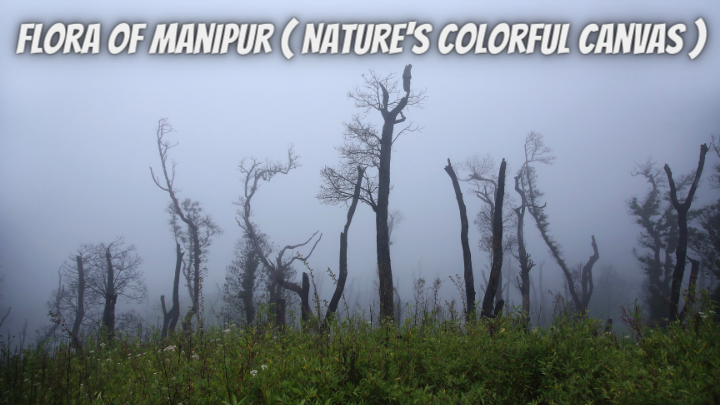
Flora of Manipur: Nature’s Colorful Canvas Flora of Manipur: Manipur, a state situated in the northeastern part of India, is home to some stunning plant life. Its lush valleys and rolling hills create the perfect home for a wide variety of plants. In this blog post, we’ll take a closer look at the amazing plant life that makes up the flora of Manipur. The flora of Manipur is like a treasure chest full of incredible plants. Thanks to Manipur’s unique location in the eastern Himalayas, it has a diverse ecosystem. As we dive into the natural beauty of Manipur, you’ll discover a wide range of plants, from tall trees to delicate wildflowers. Stick with us as we journey through this vibrant world. The Flora of Manipur isn’t just something to admire; it’s a legacy that we should protect and cherish for generations to come. Exploring Flora of Manipur Manipur, a state nestled in the northeastern corner of India, is not only known for its rich cultural heritage and breathtaking landscapes but also for its diverse and captivating flora. The lush greenery, rolling hills, and unique geographical features of Manipur create a perfect environment for a wide range of plant species to flourish. In this blog post, we embark on a journey to discover the botanical treasures that make Manipur a paradise for nature enthusiasts and botanists alike. Diversity Unveiled Manipur’s geography, including valleys, hills, rivers, and forests, helps it have lots of different kinds of plants. The state’s spot in the eastern Himalayas makes it a place with lots of different living things. As we learn more about Manipur’s plants, we’ll see all the different types, from tall trees to beautiful wildflowers. Orchids: The Special Flowers of Manipur You can’t talk about Manipur’s plants without talking about its orchids. More than 110 kinds of orchids grow in Manipur, which is why people call it the “Land of Orchids.” These beautiful, colorful flowers make Manipur’s natural beauty even better. Some of the special orchids include Dendrobium lindleyi and Cymbidium aloifolium, each with its own special charm. The Mysterious Shirui Lily One of Manipur’s special plants is the rare Shirui Lily (Lilium mackliniae). This flower is only found on Shirui Kashong Peak in Ukhrul district. It’s known for its beautiful blue and white flowers. People in Manipur love this flower, and it’s also important for the environment. We need to take care of it to make sure it doesn’t disappear. Dzuko Valley: A Flower Paradise Dzuko Valley is a place on the border of Manipur and Nagaland that’s full of flowers. During the spring, the valley becomes a colorful wonderland. There are so many different wildflowers, like primulas, rhododendrons, and lilies. They cover the land in colors, and it’s a beautiful sight. Dzuko Valley is special because of all the different plants that live there. Learning about Manipur’s plants is like going on an adventure in nature. It helps us understand how special our environment is and why we need to take care of it. As we enjoy all the different plants, let’s also promise to look after them and make sure they’re safe. That way, people in the future can also enjoy the beauty of Manipur’s wonderful plants. Problems and How We Can Help In our exploration of Manipur’s remarkable flora, it’s essential to acknowledge the challenges these plants face and how we can play a part in preserving this natural treasure trove. Challenges One significant challenge confronting Manipur’s flora is deforestation. The cutting down of trees and clearing of forests for various reasons, such as agriculture and infrastructure development, poses a serious threat to the delicate ecosystems that support the state’s plant life. Habitat degradation is another issue that affects Manipur’s plant diversity. As human activities encroach upon natural habitats, plants lose their homes. This not only endangers individual species but disrupts the balance of entire ecosystems. Climate change is a global issue, and Manipur is not immune to its effects. Altered weather patterns, shifting temperatures, and unpredictable rainfall can impact the growth and survival of local flora. Some plant species may struggle to adapt to these changes. How We Can Contribute to Preserving Manipur’s Unique Flora Now, let’s talk about how we can contribute to preserving Manipur’s unique flora: While Manipur’s flora faces various challenges, collective efforts can make a real difference in safeguarding this botanical paradise. By raising awareness, supporting conservation initiatives, and adopting sustainable practices, we can ensure that Manipur’s unique plant species continue to thrive for generations to come. It’s a responsibility we share as caretakers of our natural world. Read This Also: Flora of Andaman and Nicobar Islands Top 20 Most Common Plants in India, Manipur 1. Asian Rice Asian rice is one of the world’s most crucial crops. It’s an annual grass that people have been growing in China for centuries. Half of the world’s population relies on it as a major part of their diet. Besides food, it’s used in making wine, medicines, cosmetics, crafts, and religious ceremonies. 2. Sweet Chestnut The sweet chestnut (Castanea sativa) is a tree that’s native to southern Europe. People have been eating its seeds for a very long time. Sweet chestnut trees do well in soil that’s been weathered, and they prefer soil with an acidic pH. 3. False Christmas Cactus The false Christmas cactus is named because it blooms during the holiday season, with red, purple, pink, or white flowers from fall to winter. It comes from a small coastal area in eastern Brazil and likes to grow in shaded and humid jungle conditions. In the wild, hummingbirds are the ones who pollinate its flowers. 4. Graptopetalum Mendoza Graptopetalum mendoza is a small, fleshy plant that grows in clumps. It has tiny pale green leaves that grow in groups and form a circular pattern called a ‘rosette.’ Its star-shaped flowers are white and quite attractive. It’s an excellent plant for rock gardens. 5. Lychee Lychee is a tall evergreen tree that originally comes from southeastern