
Flora and Fauna of Assam
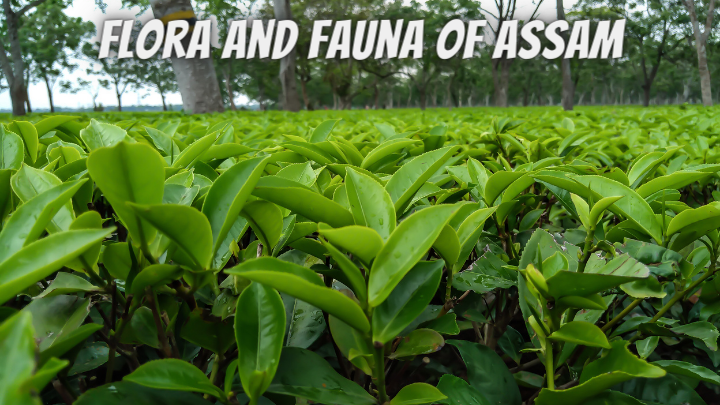
Flora and Fauna of Assam: Assam’s Natural Marvels Flora and Fauna of Assam: Situated in the heart of Northeast India, Assam presents a breathtaking natural panorama adorned with lush green forests, meandering rivers, and a profusion of unique wildlife. Beyond its globally renowned tea plantations, Assam’s true allure lies in its vibrant biodiversity, which plays an essential role in both its cultural heritage and ecological balance. The sprawling landscapes are alive with an incredible variety of plant species, while the protected havens within the state provide sanctuary to numerous rare and endangered animal species. Whether you’re a nature enthusiast, a dedicated researcher, or simply curious, the flora and fauna of Assam promise an enthralling journey of exploration and wonder. Fact Details Geographical Location Northeast India Climate Tropical monsoon rainforest with high humidity Dominant Flora Tropical and subtropical moist broadleaf forests, bamboo, orchids, and ferns Key Tree Species Sal, teak, agarwood, semul, and deodar Dominant Fauna One-horned Indian rhinoceros, Asian elephants, Bengal tigers, golden langur, hoolock gibbons Famous National Park Kaziranga National Park (World Heritage Site) Endemic Species White-winged wood duck, pygmy hog, and Assam-raised turtle Major Rivers Brahmaputra and its tributaries Threats Deforestation, poaching, and habitat fragmentation Conservation Efforts Establishment of wildlife sanctuaries, national parks, and community reserves; Anti-poaching measures; Afforestation campaigns Flora of Assam 1-Tropical Rainforests Assam’s tropical rainforests, primarily located in the Upper Assam region, are among the most biodiverse ecosystems in the state. These lush rainforests provide a haven for a variety of tree species, including the majestic Dipterocarps, the iconic Hollong, and the formidable Nahar. The dense canopy of these forests teems with life, offering a home to numerous wildlife species. 2-Tropical Deciduous Forests The tropical deciduous forests of Assam dominate substantial portions of the landscape. Sal trees stand tall here, but they are not alone. These forests also host other notable species such as Simul, Sisu, and Kusum. These diverse woodlands are not only essential for the region’s ecological balance but also play a crucial role in supporting local livelihoods. 3-Bamboo Groves Assam boasts a wealth of bamboo varieties, making them a significant ecological and economic resource. Among the abundant bamboo species in the region, Bambusa tulda and Melocanna baccifera are particularly noteworthy. These versatile plants serve as a source of livelihood for many communities while contributing to the ecological health of Assam’s forests. 4-Grasslands Grasslands, often found along the floodplains of the mighty Brahmaputra, are vital habitats for a myriad of herbivores and bird species. The tall elephant grass, a defining feature of regions like Kaziranga, provides sustenance and shelter for iconic wildlife, including the Indian rhinoceros and wild water buffalo. 5-Wetlands and Swamps Assam’s wetlands and swamps are crucial ecosystems that support a rich biodiversity. These areas are home to a variety of aquatic plants and many endemic species. In addition to their ecological importance, wetlands and swamps serve as significant carbon sinks, contributing to the global fight against climate change. 6-Tea Gardens Assam’s globally acclaimed tea gardens are synonymous with the region’s identity. Vast stretches of tea gardens, adorned with the Camellia sinensis plant, are a common sight across the state. Assam tea, known for its bold and brisk flavors, has earned a special place in the hearts of tea connoisseurs worldwide. 7-Orchids Assam is a paradise for orchid enthusiasts, boasting over 250 species of these exquisite flowers. Among them, the Blue Vanda and Kopou Phool are particularly famous. Orchids add a touch of vibrant beauty to Assam’s already diverse flora, making them a sight to behold. 8-Medicinal Plants Hidden within Assam’s forests are treasures of medicinal plants that have been part of traditional indigenous knowledge for centuries. These plants, including Manjistha, Sarpagandha, and Brahmi, play a vital role in traditional healing practices and reflect the state’s rich botanical heritage. Conservation of these plants is essential for both traditional medicine and modern pharmaceutical research. Assam’s flora is a tapestry of ecosystems that contribute to the state’s ecological health, cultural richness, and economic sustainability. Preserving and nurturing this green heritage is not only vital for Assam’s local communities but also for the global environment. As Assam continues to cherish and protect its diverse flora, it stands as a shining example of harmonious coexistence between humans and nature. Fauna of Assam 1-One-horned Rhinoceros The iconic Indian one-horned rhinoceros, synonymous with Assam and particularly Kaziranga National Park, is a symbol of conservation success in the state. Assam’s unwavering commitment to protecting this magnificent creature has resulted in a thriving population that continues to capture the world’s imagination. 2-Royal Bengal Tiger Assam’s Manas and Nameri National Parks, in addition to Kaziranga, serve as vital strongholds for the Royal Bengal tiger. These majestic big cats find refuge in Assam’s protected areas, a testament to the state’s dedication to preserving its rich wildlife heritage. 3-Elephants The dense and biodiverse forests of Assam provide an ideal sanctuary for the Indian elephant. Herds of these gentle giants are a common sight in regions like Manas and Kaziranga, offering visitors the chance to witness these magnificent creatures in their natural habitat. 4-Hoolock Gibbons Assam proudly boasts the presence of the only apes in India, the Western Hoolock Gibbons. These enchanting primates find their home predominantly in the Hollongapar Gibbon Sanctuary, adding to the state’s remarkable biodiversity. 5-River Dolphins The Brahmaputra River, coursing through Assam’s heartland, shelters the endangered Gangetic River dolphins. Their graceful presence near river confluences and sandbanks provides a unique opportunity for wildlife enthusiasts to witness these aquatic wonders. 6-Assam Roofed Turtle This endangered species calls the Brahmaputra and Barak river systems its home. Efforts to protect and conserve this elusive turtle are crucial for its survival and the overall health of these river ecosystems. 7-Various Deer Species Assam’s diverse habitats, particularly in areas like Kaziranga and Pobitora, provide shelter to various deer species, including the hog deer, swamp deer, and sambar deer. These elegant creatures add to the state’s rich wildlife tapestry. 8-Birds With over 800 species, Assam stands as a paradise for bird enthusiasts. Among the