
Flora and Fauna of Assam
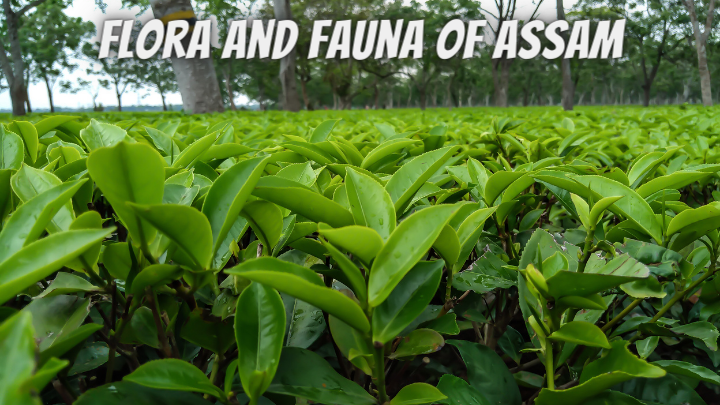
Flora and Fauna of Assam: Assam’s Natural Marvels Flora and Fauna of Assam: Situated in the heart of Northeast India, Assam presents a breathtaking natural panorama adorned with lush green forests, meandering rivers, and a profusion of unique wildlife. Beyond its globally renowned tea plantations, Assam’s true allure lies in its vibrant biodiversity, which plays an essential role in both its cultural heritage and ecological balance. The sprawling landscapes are alive with an incredible variety of plant species, while the protected havens within the state provide sanctuary to numerous rare and endangered animal species. Whether you’re a nature enthusiast, a dedicated researcher, or simply curious, the flora and fauna of Assam promise an enthralling journey of exploration and wonder. Fact Details Geographical Location Northeast India Climate Tropical monsoon rainforest with high humidity Dominant Flora Tropical and subtropical moist broadleaf forests, bamboo, orchids, and ferns Key Tree Species Sal, teak, agarwood, semul, and deodar Dominant Fauna One-horned Indian rhinoceros, Asian elephants, Bengal tigers, golden langur, hoolock gibbons Famous National Park Kaziranga National Park (World Heritage Site) Endemic Species White-winged wood duck, pygmy hog, and Assam-raised turtle Major Rivers Brahmaputra and its tributaries Threats Deforestation, poaching, and habitat fragmentation Conservation Efforts Establishment of wildlife sanctuaries, national parks, and community reserves; Anti-poaching measures; Afforestation campaigns Flora of Assam 1-Tropical Rainforests Assam’s tropical rainforests, primarily located in the Upper Assam region, are among the most biodiverse ecosystems in the state. These lush rainforests provide a haven for a variety of tree species, including the majestic Dipterocarps, the iconic Hollong, and the formidable Nahar. The dense canopy of these forests teems with life, offering a home to numerous wildlife species. 2-Tropical Deciduous Forests The tropical deciduous forests of Assam dominate substantial portions of the landscape. Sal trees stand tall here, but they are not alone. These forests also host other notable species such as Simul, Sisu, and Kusum. These diverse woodlands are not only essential for the region’s ecological balance but also play a crucial role in supporting local livelihoods. 3-Bamboo Groves Assam boasts a wealth of bamboo varieties, making them a significant ecological and economic resource. Among the abundant bamboo species in the region, Bambusa tulda and Melocanna baccifera are particularly noteworthy. These versatile plants serve as a source of livelihood for many communities while contributing to the ecological health of Assam’s forests. 4-Grasslands Grasslands, often found along the floodplains of the mighty Brahmaputra, are vital habitats for a myriad of herbivores and bird species. The tall elephant grass, a defining feature of regions like Kaziranga, provides sustenance and shelter for iconic wildlife, including the Indian rhinoceros and wild water buffalo. 5-Wetlands and Swamps Assam’s wetlands and swamps are crucial ecosystems that support a rich biodiversity. These areas are home to a variety of aquatic plants and many endemic species. In addition to their ecological importance, wetlands and swamps serve as significant carbon sinks, contributing to the global fight against climate change. 6-Tea Gardens Assam’s globally acclaimed tea gardens are synonymous with the region’s identity. Vast stretches of tea gardens, adorned with the Camellia sinensis plant, are a common sight across the state. Assam tea, known for its bold and brisk flavors, has earned a special place in the hearts of tea connoisseurs worldwide. 7-Orchids Assam is a paradise for orchid enthusiasts, boasting over 250 species of these exquisite flowers. Among them, the Blue Vanda and Kopou Phool are particularly famous. Orchids add a touch of vibrant beauty to Assam’s already diverse flora, making them a sight to behold. 8-Medicinal Plants Hidden within Assam’s forests are treasures of medicinal plants that have been part of traditional indigenous knowledge for centuries. These plants, including Manjistha, Sarpagandha, and Brahmi, play a vital role in traditional healing practices and reflect the state’s rich botanical heritage. Conservation of these plants is essential for both traditional medicine and modern pharmaceutical research. Assam’s flora is a tapestry of ecosystems that contribute to the state’s ecological health, cultural richness, and economic sustainability. Preserving and nurturing this green heritage is not only vital for Assam’s local communities but also for the global environment. As Assam continues to cherish and protect its diverse flora, it stands as a shining example of harmonious coexistence between humans and nature. Fauna of Assam 1-One-horned Rhinoceros The iconic Indian one-horned rhinoceros, synonymous with Assam and particularly Kaziranga National Park, is a symbol of conservation success in the state. Assam’s unwavering commitment to protecting this magnificent creature has resulted in a thriving population that continues to capture the world’s imagination. 2-Royal Bengal Tiger Assam’s Manas and Nameri National Parks, in addition to Kaziranga, serve as vital strongholds for the Royal Bengal tiger. These majestic big cats find refuge in Assam’s protected areas, a testament to the state’s dedication to preserving its rich wildlife heritage. 3-Elephants The dense and biodiverse forests of Assam provide an ideal sanctuary for the Indian elephant. Herds of these gentle giants are a common sight in regions like Manas and Kaziranga, offering visitors the chance to witness these magnificent creatures in their natural habitat. 4-Hoolock Gibbons Assam proudly boasts the presence of the only apes in India, the Western Hoolock Gibbons. These enchanting primates find their home predominantly in the Hollongapar Gibbon Sanctuary, adding to the state’s remarkable biodiversity. 5-River Dolphins The Brahmaputra River, coursing through Assam’s heartland, shelters the endangered Gangetic River dolphins. Their graceful presence near river confluences and sandbanks provides a unique opportunity for wildlife enthusiasts to witness these aquatic wonders. 6-Assam Roofed Turtle This endangered species calls the Brahmaputra and Barak river systems its home. Efforts to protect and conserve this elusive turtle are crucial for its survival and the overall health of these river ecosystems. 7-Various Deer Species Assam’s diverse habitats, particularly in areas like Kaziranga and Pobitora, provide shelter to various deer species, including the hog deer, swamp deer, and sambar deer. These elegant creatures add to the state’s rich wildlife tapestry. 8-Birds With over 800 species, Assam stands as a paradise for bird enthusiasts. Among the
Flora of Manipur
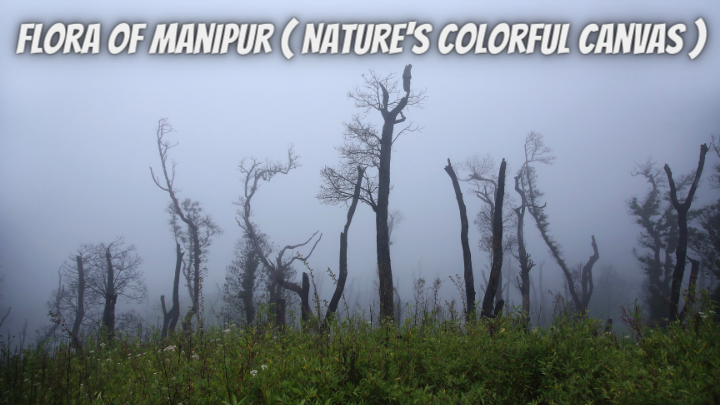
Flora of Manipur: Nature’s Colorful Canvas Flora of Manipur: Manipur, a state situated in the northeastern part of India, is home to some stunning plant life. Its lush valleys and rolling hills create the perfect home for a wide variety of plants. In this blog post, we’ll take a closer look at the amazing plant life that makes up the flora of Manipur. The flora of Manipur is like a treasure chest full of incredible plants. Thanks to Manipur’s unique location in the eastern Himalayas, it has a diverse ecosystem. As we dive into the natural beauty of Manipur, you’ll discover a wide range of plants, from tall trees to delicate wildflowers. Stick with us as we journey through this vibrant world. The Flora of Manipur isn’t just something to admire; it’s a legacy that we should protect and cherish for generations to come. Exploring Flora of Manipur Manipur, a state nestled in the northeastern corner of India, is not only known for its rich cultural heritage and breathtaking landscapes but also for its diverse and captivating flora. The lush greenery, rolling hills, and unique geographical features of Manipur create a perfect environment for a wide range of plant species to flourish. In this blog post, we embark on a journey to discover the botanical treasures that make Manipur a paradise for nature enthusiasts and botanists alike. Diversity Unveiled Manipur’s geography, including valleys, hills, rivers, and forests, helps it have lots of different kinds of plants. The state’s spot in the eastern Himalayas makes it a place with lots of different living things. As we learn more about Manipur’s plants, we’ll see all the different types, from tall trees to beautiful wildflowers. Orchids: The Special Flowers of Manipur You can’t talk about Manipur’s plants without talking about its orchids. More than 110 kinds of orchids grow in Manipur, which is why people call it the “Land of Orchids.” These beautiful, colorful flowers make Manipur’s natural beauty even better. Some of the special orchids include Dendrobium lindleyi and Cymbidium aloifolium, each with its own special charm. The Mysterious Shirui Lily One of Manipur’s special plants is the rare Shirui Lily (Lilium mackliniae). This flower is only found on Shirui Kashong Peak in Ukhrul district. It’s known for its beautiful blue and white flowers. People in Manipur love this flower, and it’s also important for the environment. We need to take care of it to make sure it doesn’t disappear. Dzuko Valley: A Flower Paradise Dzuko Valley is a place on the border of Manipur and Nagaland that’s full of flowers. During the spring, the valley becomes a colorful wonderland. There are so many different wildflowers, like primulas, rhododendrons, and lilies. They cover the land in colors, and it’s a beautiful sight. Dzuko Valley is special because of all the different plants that live there. Learning about Manipur’s plants is like going on an adventure in nature. It helps us understand how special our environment is and why we need to take care of it. As we enjoy all the different plants, let’s also promise to look after them and make sure they’re safe. That way, people in the future can also enjoy the beauty of Manipur’s wonderful plants. Problems and How We Can Help In our exploration of Manipur’s remarkable flora, it’s essential to acknowledge the challenges these plants face and how we can play a part in preserving this natural treasure trove. Challenges One significant challenge confronting Manipur’s flora is deforestation. The cutting down of trees and clearing of forests for various reasons, such as agriculture and infrastructure development, poses a serious threat to the delicate ecosystems that support the state’s plant life. Habitat degradation is another issue that affects Manipur’s plant diversity. As human activities encroach upon natural habitats, plants lose their homes. This not only endangers individual species but disrupts the balance of entire ecosystems. Climate change is a global issue, and Manipur is not immune to its effects. Altered weather patterns, shifting temperatures, and unpredictable rainfall can impact the growth and survival of local flora. Some plant species may struggle to adapt to these changes. How We Can Contribute to Preserving Manipur’s Unique Flora Now, let’s talk about how we can contribute to preserving Manipur’s unique flora: While Manipur’s flora faces various challenges, collective efforts can make a real difference in safeguarding this botanical paradise. By raising awareness, supporting conservation initiatives, and adopting sustainable practices, we can ensure that Manipur’s unique plant species continue to thrive for generations to come. It’s a responsibility we share as caretakers of our natural world. Read This Also: Flora of Andaman and Nicobar Islands Top 20 Most Common Plants in India, Manipur 1. Asian Rice Asian rice is one of the world’s most crucial crops. It’s an annual grass that people have been growing in China for centuries. Half of the world’s population relies on it as a major part of their diet. Besides food, it’s used in making wine, medicines, cosmetics, crafts, and religious ceremonies. 2. Sweet Chestnut The sweet chestnut (Castanea sativa) is a tree that’s native to southern Europe. People have been eating its seeds for a very long time. Sweet chestnut trees do well in soil that’s been weathered, and they prefer soil with an acidic pH. 3. False Christmas Cactus The false Christmas cactus is named because it blooms during the holiday season, with red, purple, pink, or white flowers from fall to winter. It comes from a small coastal area in eastern Brazil and likes to grow in shaded and humid jungle conditions. In the wild, hummingbirds are the ones who pollinate its flowers. 4. Graptopetalum Mendoza Graptopetalum mendoza is a small, fleshy plant that grows in clumps. It has tiny pale green leaves that grow in groups and form a circular pattern called a ‘rosette.’ Its star-shaped flowers are white and quite attractive. It’s an excellent plant for rock gardens. 5. Lychee Lychee is a tall evergreen tree that originally comes from southeastern
Flora of Andaman and Nicobar Islands
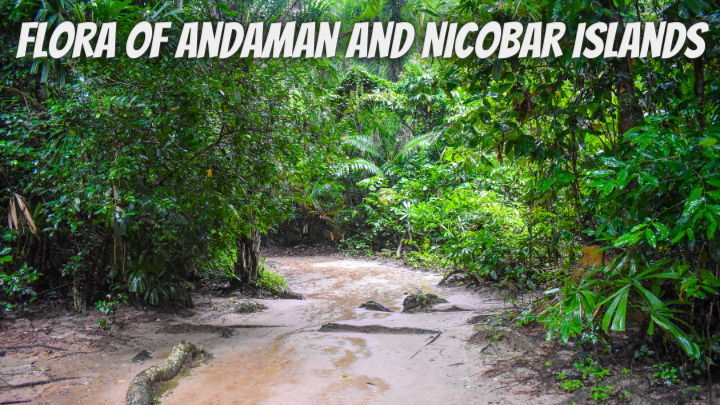
Welcome to our journey of discovery as we delve into the captivating flora of Andaman and Nicobar Islands. These stunning islands, cradled by the Bay of Bengal, are not only known for their breathtaking beauty but also the incredible diversity of plant life that calls them home. In this blog post, we will embark on an exploration of the unique and vibrant plant species that grace the landscapes of these islands. The Flora of Andaman and Nicobar Islands is a testament to nature’s creativity, featuring an array of plants that have adapted to the island’s diverse environments. From the lush rainforests to the pristine beaches, each corner of these islands tells a story of survival, adaptation, and symbiosis among plants and their surroundings. Join us as we uncover the secrets of these botanical wonders, from the endemic species that can only be found here to the vital role that these plants play in maintaining the delicate balance of the island ecosystems. Our journey will take us through the lush foliage, vivid blooms, and remarkable adaptations that make up the Flora of Andaman and Nicobar Islands. So, let’s begin our exploration and gain a deeper appreciation for the natural treasures that enrich these remarkable islands. Exploring the Flora of Andaman and Nicobar Islands Get ready for an enchanting voyage into the world of Andaman and Nicobar Islands’ flora, where nature’s wonders come alive in vivid colors and fascinating forms. Imagine yourself strolling through lush rainforests that buzz with life or wandering along serene coastlines adorned with unique coastal plants. These tropical islands, nestled in the calm waters of the Bay of Bengal, hold a treasure trove of captivating plant life that is bound to capture your imagination. Highlights to Look Forward: A Visual Treat: Imagine being surrounded by a symphony of colors, from vibrant greens to delicate blossoms. The islands’ flora presents a visual feast that will leave you in awe of the beauty of the natural world. A Peek at Diversity: Here’s a glimpse of the variety you can expect: Plant Category Examples of Species Unique Islanders Andaman Pygmy Date Palm, Nicobar Megapode Nature’s Healers Andaman Noni, Nicobar Nutmeg Coastal Charmers Beach Morning Glory, Sea Hibiscus Tasty Island Treats Breadfruit, Banana Plant Nature’s Protectors Andaman Padauk, Nicobar Ironwood Ready for the Adventure: Whether you’re a curious explorer or a nature enthusiast, the journey to uncover the Andaman and Nicobar Islands’ flora promises an unforgettable experience. Roam through lush forests, breathe in the coastal breeze, and immerse yourself in the natural diversity that sets these islands apart. It’s a chance to connect with nature in its purest form and to appreciate the remarkable world of plants that call these islands home. Top 20 Most Common Plants in Andaman and Nicobar Islands In Andaman and Nicobar Islands you will find False Bird of Paradise, the common coconut palm Rangoon climber, lambsquarters sweet alyssum, and many more! There are 20 varieties of plants. Make sure to look at these plants when walking around the streets, in parks, or in public gardens. Most Common Plants: The False Bird of Paradise (Heliconia Rosatrata) is a flowering herbaceous plant that is native to Central America and surrounding islands. The nectar produced by this plant attracts birds. The flower is of national significance in Bolivia. The common coconut palm (Cocos nucifera) is a broadleaf evergreen native to the tropical islands of the Western Pacific. In the United States, common coconut palms are found across Hawaii, southern Florida, and Texas. The plant produces coconuts. The lush, evergreen vegetation of the Rangoon (Combretum indicum) is a perfect option for building pergolas, fencelines, or trellises. When they are in bloom, these flowers release pleasant scents that add to their natural beauty, but only once the sun sets. It’s a popular destination for pollinators and insects that seek nectar with their long tongues. Lambsquarters are known by many different names, such as pigweed, bacon weed, and goosefoot. This plant appears from nowhere and is thought of by many as a weed that is a nuisance. But the leaves of the plant are edible. They can be cooked in the same way as spinach and are loaded with nutrients. Lobularia maritima, also known as sweet alyssum, is one of the annual flowers that grows extremely low and tends to spread its leaves across the soil, forming the appearance of a mat. This beautiful ornament is a great option for a ground cover or a plant for bedding. European honeysuckle (Lonicera periclymenum) is a flowering plant that is native to Europe, North Africa, and Turkey. As with all honeysuckles, European honeysuckles’ blooms are white while they are blooming. They then turn yellow. The flowers smell great at night and attract insects like bees and moths to pollinate. The peace lily is given its scientific name, Spathiphyllum wallisii because of a combination of two Greek words, “spath” and “phyl,” which refer to spoons and leaves, respectively. The huge, graceful white spathe of peace lily is reminiscent of the white flag, which is a worldwide symbol of peace or truce. The rosemary plant has delicate flowers and evergreen leaves. It emits a distinctive smell and is used in cooking and in the creation of soaps, perfumes with scents, and candles. Rosemary is a native of the Mediterranean region, where evidence of its use by humans goes back at least 7000 years. Beach Naupaka (Scaevola sericea) is a slender plant that can grow as high as 3 meters tall. It is found in dry coastal regions with tropical climates. The fruit of beach naupaka is floating and can germinate even after being in saltwater for up to an entire year. The Royal Poinciana (Delonix regia) is often referred to as its “peacock tree” or the “flamboyant tree.” It’s a Madagascar native and is renowned for its striking red-yellow or crimson flowers. Its growth rate is incredible and can reach its highest size of 12 meters in just a short time. Nickel string (Dischidia Numularia) is