
Historical Places in Assam
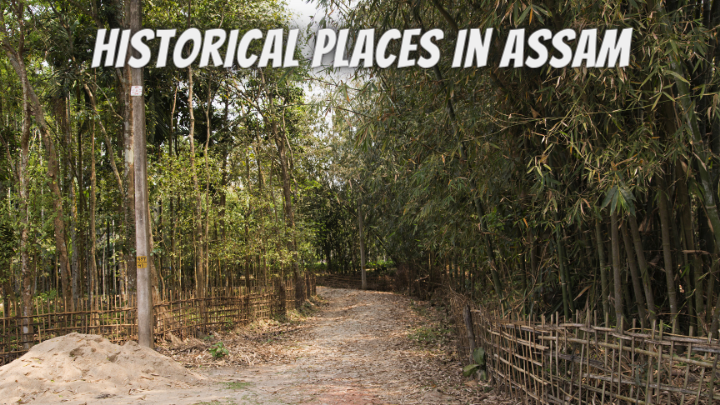
Historical Places in Assam | Footprints of the Past Historical Places in Assam: In the northeastern corner of India is situated a land shrouded in history, where the whispers of time echo through the corridors of its ancient monuments. Welcome to Assam, a region rich in culture and heritage, where historical places in Assam stand as living testaments to bygone eras. As we embark on this journey, we’ll unravel the captivating stories woven into the fabric of these historical sites, each one a unique chapter in the annals of Assam’s history. From royal palaces to sacred shrines, join us in exploring the enchanting world of historical places in Assam. Top 10 Historical Places in Assam 1. Hajo Powa Mecca Source: www.thrillophilia.com Hajo Powa Mecca, one of Assam’s most revered monuments, carries with it a spiritual essence reminiscent of Mecca itself. It is the final resting place of Pir Giasuddin Auliya, an Islamic luminary. This sacred site was constructed during the reign of Mughal Emperor Shahjahan and is attributed to the skilled craftsmanship of Mir Lutufullah-i-Shiraji in 1657. It’s believed that the foundation of the mosque here was laid using earth imported from Mecca. Location: 6GRR+P3V, No. 1 Bhelkar, Assam, 781102 2. Rang Ghar, Sibsagar Rang Ghar, often referred to as the ‘Colosseum of the East,’ stands as one of Asia’s oldest amphitheaters and a prominent monument in Assam. Translating to ‘House of Entertainment,’ it was built in 1746 A.D. during the rule of the Ahom dynasty in present-day Assam. This architectural marvel was primarily constructed as a royal pavilion for Ahom kings and nobles to witness events like buffalo fights and other sports at the adjacent Rupahi Pathar. During the Rangauli Bihu festival, it served as a grand royal sports pavilion. Location: Rang Ghar Road, Joysagar, Dicial Dhulia Gaon, Assam, 785697 3. Surya Pahar, Goalpara Source: www.thrillophilia.com Surya Pahar, located 12 kilometers from the Goalpara district, is often referred to as an archaeologist’s gold mine due to its numerous archaeological discoveries. This lesser-known historical site in Assam, known as the “Hill of the Sun” or Surya Pahar, is believed to be associated with the worship of the sun. The artifacts found here are displayed in a local museum, and locals claim that there are 99,999 Shiva Lingas at this historic Assam location. For Buddhists, Hindus, and Jains, Surya Pahar holds historical and religious significance and is designated as one of Assam’s most important ancient heritage sites. Location: 4P55+896, Bhatiapara, Assam, 783101 Timing: 6:00 AM – 6:00 PM 4. Satras, Darang Source: www.thrillophilia.com When you find yourself in Darang, don’t miss the chance to explore the Satras, a glimpse into Assam’s rich and diverse culture. These satras, reminiscent of monasteries, were established by the revered figure Sankardeva and his followers. Aside from their role in performing Bhagawatee Baishnav rituals, these satras serve as custodians of various art forms, including the enchanting Satriya art. Darang is home to two prominent Satras: Khatara Satra, one of the oldest, located 22 kilometers from Mangaldai in Dilipa, and Dihing Satra, situated 45 kilometers from Mangaldai in Kurua. 5. Talatal Ghar, Sibsagar Source: www.thrillophilia.com Talatal Ghar, also known as the Rangpur Palace, stands as an exceptional example of Tai Ahom architecture. Located in northern Assam, it is not only the world’s largest Ahom monument but also a testament to Assamese culture and history. History and architecture enthusiasts should include a visit to Talatal Ghar on their bucket list. The upper ground level, known as Kareng Ghar, showcases classic Mughal architectural style and once served as a royal residence for the Assamese king. The upper levels were added during the reign of Raja Swargdeo Rudra Singha, the successor of Swargdeo Rajeswar Singha. Location: Duboroni Ali Road, Joysagar, Dicial Dhulia Gaon, Assam, 785697 Timing: 8:00 AM – 4:00 PM Read This Also: Flora and Fauna of Assam 6. Khaspur, Silchar Khaspur, a picturesque village in Assam’s Cachar district, lies just 20 kilometers from Silchar. It is one of Assam’s most visited historical sites, known for the ruins of the Dimasa Kingdom. These ruins include a royal temple, a Lion Gate, and a Sun Gate, all steeped in centuries-old history. Although the king’s palace has fallen into disrepair, the grand entrance gates still stand tall. These gates are meticulously designed in the shape of elephants. Khaspur, once part of the Tripura Kingdom, gained autonomy after the decline of the Koch dynasty’s influence. Subsequently, control over Khaspur shifted to the Kachari monarchs, who made it their capital. 7. Charaideo, Sibsagar Source: www.thrillophilia.com Charaideo, a highly sought-after historical destination in Assam, was the capital of the Ahom dynasty, founded by Sukhapa. Located approximately 28 kilometers from Sibsagar, it is often referred to as the ‘Assam Pyramids.’ This site is home to the sacred graves of many Ahom emperors and queens, considered highly holy. On the hilltop of Charaideo, you’ll find around 42 tombs of kings and queens. These tombs bear a striking resemblance to Egyptian pyramids and showcase the exceptional craftsmanship of Assamese artisans during the medieval period. The highlight of this site is the underground vaults, which offer valuable insights into the lifestyles and cultures of the Ahom monarchs. The octagonal dwarf structure that entirely covers each tomb, or maidam, is a distinctive architectural feature. The intricate floral designs adorning the underground chambers are truly captivating, with the chambers themselves concealed beneath clay mounds. 8. Sukapha Samannay Kshetra, Jorhat Source: www.justdial.com Sukapha Samannay Kshetra is a significant historical site dedicated to Sukapha, the first Ahom ruler of Assam. Situated between Mohbandha, near Jorhat, and Dergaon, this site commemorates Sukapha’s influential leadership. Sukapha, a Thai royal, journeyed to this region after crossing the Patkai mountain range, uniting tribal and non-tribal communities. The Sukapha Samannay Kshetra stands as a tribute to his illustrious legacy. Location: Mohbondha Road, Jorhat, Assam 785006 Timing: 10:00 AM – 4:00 PM 9. Ladai Garh, Jorhat Source: www.tripinvites.com Ladai Garh, a fortified structure located approximately 13 kilometers from Jorhat, is a must-visit historical site. It stands as
Flora and Fauna of Assam
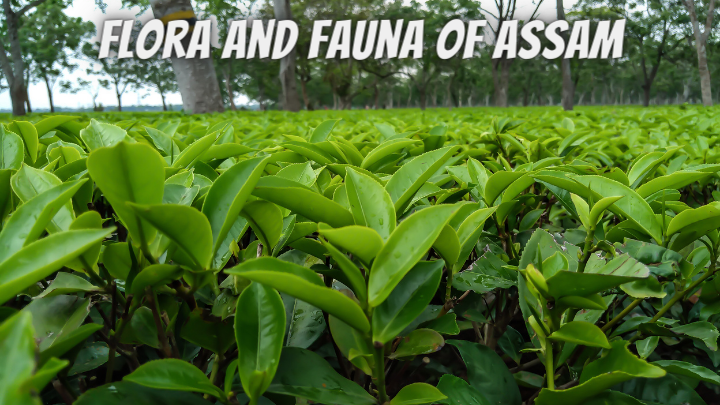
Flora and Fauna of Assam: Assam’s Natural Marvels Flora and Fauna of Assam: Situated in the heart of Northeast India, Assam presents a breathtaking natural panorama adorned with lush green forests, meandering rivers, and a profusion of unique wildlife. Beyond its globally renowned tea plantations, Assam’s true allure lies in its vibrant biodiversity, which plays an essential role in both its cultural heritage and ecological balance. The sprawling landscapes are alive with an incredible variety of plant species, while the protected havens within the state provide sanctuary to numerous rare and endangered animal species. Whether you’re a nature enthusiast, a dedicated researcher, or simply curious, the flora and fauna of Assam promise an enthralling journey of exploration and wonder. Fact Details Geographical Location Northeast India Climate Tropical monsoon rainforest with high humidity Dominant Flora Tropical and subtropical moist broadleaf forests, bamboo, orchids, and ferns Key Tree Species Sal, teak, agarwood, semul, and deodar Dominant Fauna One-horned Indian rhinoceros, Asian elephants, Bengal tigers, golden langur, hoolock gibbons Famous National Park Kaziranga National Park (World Heritage Site) Endemic Species White-winged wood duck, pygmy hog, and Assam-raised turtle Major Rivers Brahmaputra and its tributaries Threats Deforestation, poaching, and habitat fragmentation Conservation Efforts Establishment of wildlife sanctuaries, national parks, and community reserves; Anti-poaching measures; Afforestation campaigns Flora of Assam 1-Tropical Rainforests Assam’s tropical rainforests, primarily located in the Upper Assam region, are among the most biodiverse ecosystems in the state. These lush rainforests provide a haven for a variety of tree species, including the majestic Dipterocarps, the iconic Hollong, and the formidable Nahar. The dense canopy of these forests teems with life, offering a home to numerous wildlife species. 2-Tropical Deciduous Forests The tropical deciduous forests of Assam dominate substantial portions of the landscape. Sal trees stand tall here, but they are not alone. These forests also host other notable species such as Simul, Sisu, and Kusum. These diverse woodlands are not only essential for the region’s ecological balance but also play a crucial role in supporting local livelihoods. 3-Bamboo Groves Assam boasts a wealth of bamboo varieties, making them a significant ecological and economic resource. Among the abundant bamboo species in the region, Bambusa tulda and Melocanna baccifera are particularly noteworthy. These versatile plants serve as a source of livelihood for many communities while contributing to the ecological health of Assam’s forests. 4-Grasslands Grasslands, often found along the floodplains of the mighty Brahmaputra, are vital habitats for a myriad of herbivores and bird species. The tall elephant grass, a defining feature of regions like Kaziranga, provides sustenance and shelter for iconic wildlife, including the Indian rhinoceros and wild water buffalo. 5-Wetlands and Swamps Assam’s wetlands and swamps are crucial ecosystems that support a rich biodiversity. These areas are home to a variety of aquatic plants and many endemic species. In addition to their ecological importance, wetlands and swamps serve as significant carbon sinks, contributing to the global fight against climate change. 6-Tea Gardens Assam’s globally acclaimed tea gardens are synonymous with the region’s identity. Vast stretches of tea gardens, adorned with the Camellia sinensis plant, are a common sight across the state. Assam tea, known for its bold and brisk flavors, has earned a special place in the hearts of tea connoisseurs worldwide. 7-Orchids Assam is a paradise for orchid enthusiasts, boasting over 250 species of these exquisite flowers. Among them, the Blue Vanda and Kopou Phool are particularly famous. Orchids add a touch of vibrant beauty to Assam’s already diverse flora, making them a sight to behold. 8-Medicinal Plants Hidden within Assam’s forests are treasures of medicinal plants that have been part of traditional indigenous knowledge for centuries. These plants, including Manjistha, Sarpagandha, and Brahmi, play a vital role in traditional healing practices and reflect the state’s rich botanical heritage. Conservation of these plants is essential for both traditional medicine and modern pharmaceutical research. Assam’s flora is a tapestry of ecosystems that contribute to the state’s ecological health, cultural richness, and economic sustainability. Preserving and nurturing this green heritage is not only vital for Assam’s local communities but also for the global environment. As Assam continues to cherish and protect its diverse flora, it stands as a shining example of harmonious coexistence between humans and nature. Fauna of Assam 1-One-horned Rhinoceros The iconic Indian one-horned rhinoceros, synonymous with Assam and particularly Kaziranga National Park, is a symbol of conservation success in the state. Assam’s unwavering commitment to protecting this magnificent creature has resulted in a thriving population that continues to capture the world’s imagination. 2-Royal Bengal Tiger Assam’s Manas and Nameri National Parks, in addition to Kaziranga, serve as vital strongholds for the Royal Bengal tiger. These majestic big cats find refuge in Assam’s protected areas, a testament to the state’s dedication to preserving its rich wildlife heritage. 3-Elephants The dense and biodiverse forests of Assam provide an ideal sanctuary for the Indian elephant. Herds of these gentle giants are a common sight in regions like Manas and Kaziranga, offering visitors the chance to witness these magnificent creatures in their natural habitat. 4-Hoolock Gibbons Assam proudly boasts the presence of the only apes in India, the Western Hoolock Gibbons. These enchanting primates find their home predominantly in the Hollongapar Gibbon Sanctuary, adding to the state’s remarkable biodiversity. 5-River Dolphins The Brahmaputra River, coursing through Assam’s heartland, shelters the endangered Gangetic River dolphins. Their graceful presence near river confluences and sandbanks provides a unique opportunity for wildlife enthusiasts to witness these aquatic wonders. 6-Assam Roofed Turtle This endangered species calls the Brahmaputra and Barak river systems its home. Efforts to protect and conserve this elusive turtle are crucial for its survival and the overall health of these river ecosystems. 7-Various Deer Species Assam’s diverse habitats, particularly in areas like Kaziranga and Pobitora, provide shelter to various deer species, including the hog deer, swamp deer, and sambar deer. These elegant creatures add to the state’s rich wildlife tapestry. 8-Birds With over 800 species, Assam stands as a paradise for bird enthusiasts. Among the